I've always loved listening to music and taking calls on the go, but juggling headphones and regular glasses felt cumbersome. I started searching for a solution that combined both, leading me down the path of smart glasses. It’s been quite the journey, with a few bumps along the road, but I've learned a lot about what to look for in a good pair of audio glasses.
My first attempt involved getting the Ray Ban Meta glasses and having my prescription lenses fitted. I was excited about the possibilities, but I quickly realized that the battery life was a major drawback. Getting only about 4 or 5 hours of audio per charge wasn't enough to get me through a full workday. This meant I had to constantly worry about charging them, which defeated the purpose of having a convenient, all-in-one solution. I needed something that could last longer.
Another challenge was finding glasses that were actually comfortable and stylish. I wanted something that looked good and didn't feel bulky or awkward. It's important for me to feel confident wearing them, whether I'm at work, running errands, or just relaxing at home. And of course, the audio quality had to be decent enough for both music and calls. Finding that perfect balance proved to be harder than I initially thought.
After my experience with the Ray Ban Meta glasses, I started looking at other brands. I heard about Huawei eyewear, which are apparently only sold in a few Asian countries. I found them on AliExpress, specifically the 3rd generation model. While they don't come with prescription lenses, getting lenses fitted at an optician wasn't too difficult. This opened up a whole new range of possibilities.
I also came across ONE Smart Glasses (https://smarteyeglasses.ca/), which offer prescription audio glasses. This was appealing because it eliminated the hassle of having to get lenses fitted separately. It's great to know that there are companies out there focusing on integrating both vision correction and audio functionality into a single product.
Someone also mentioned the Euvelle brand, and I was curious to know if anyone had tried them. It's always helpful to hear about other people's experiences before making a purchase. Gathering information from different sources helped me narrow down my options and make a more informed decision.
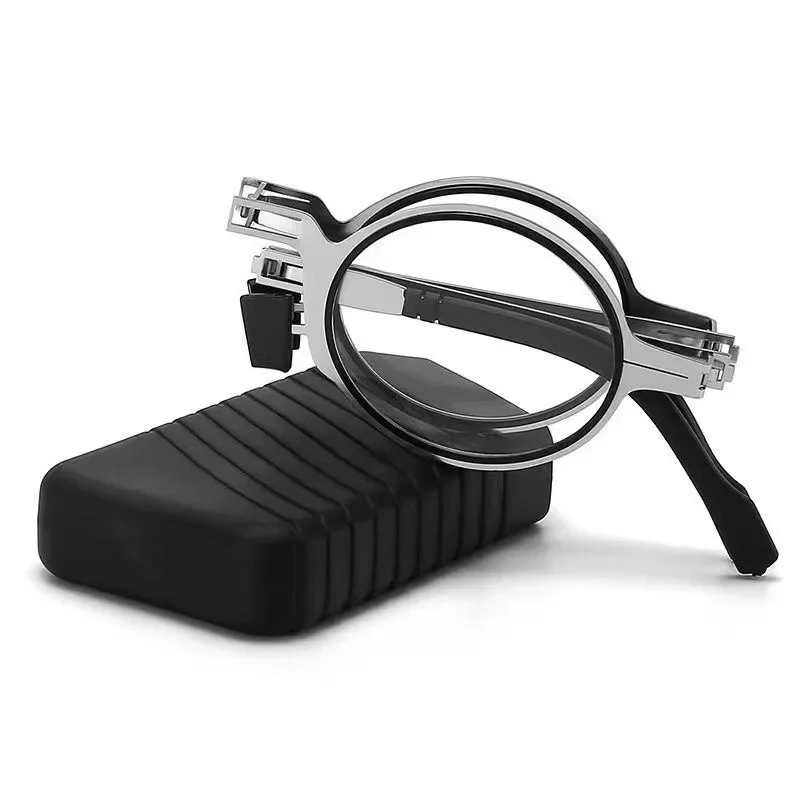
Recently, I've been trying out something a little different for reading, especially when I'm on my devices. I found these Anti-Blue Light Blocking Folding Reading Glasses HD Ultra Light Portable Full-Frame Metal Hyperopia Eyewear from the Mozaer Store. They're not smart glasses, but they've been a game changer for reducing eye strain, especially when I'm working long hours or scrolling through social media. The folding design makes them super convenient to carry around, and the blue light blocking really does make a difference. It's a great option for those who spend a lot of time looking at screens and want to protect their eyes.
I was initially skeptical, but I've been pleasantly surprised by how much they've helped. My eyes feel less tired, and I don't get as many headaches. Plus, the metal frame looks pretty stylish too! You can check them out on the Mozaer Store. They also have a great selection of other eyewear on their homepage.
Tips for Choosing the Right Smart GlassesBased on my experiences, here are a few things to keep in mind when choosing smart glasses:**Battery Life:** Make sure the battery life is sufficient for your needs. If you plan to use them for extended periods, opt for a model with a longer battery life.**Audio Quality:** Test the audio quality for both music and calls. Look for glasses with clear and crisp sound.**Comfort and Style:** Choose glasses that are comfortable to wear and that match your personal style.**Prescription Lens Compatibility:** If you need prescription lenses, check if the glasses are compatible or if you can easily get lenses fitted.**Features:** Consider what features are important to you, such as noise cancellation, voice control, or water resistance.The Pros and Cons of Smart GlassesHere's a quick overview of the advantages and disadvantages of using smart glasses:ProsConsConvenient for listening to music and taking calls on the goBattery life can be limitedCan be used with prescription lensesAudio quality may not be as good as dedicated headphonesStylish and discreetCan be expensiveSome models offer additional features like noise cancellationMay require professional fitting for prescription lensesMy Key Takeaways and RecommendationsUltimately, finding the perfect glasses for music and calls is a personal journey. What works for one person may not work for another. It's important to do your research, read reviews, and try out different options until you find something that meets your specific needs and preferences. Don't be afraid to experiment and see what's out there.I’ve also learned the importance of protecting my eyes, especially with increased scre...