Like many of you, I spend a significant portion of my day staring at screens – computer, phone, tablet, you name it. I started noticing increasing eye strain and occasional headaches, and naturally, I looked for solutions. Blue light glasses seemed like the obvious answer, but I wanted to know if they lived up to the hype. My journey led me to explore the science, try different solutions, and ultimately figure out what works best for me. This is my story.
I'd heard a lot about blue light and its potential impact on sleep and eye health. The marketing for blue light glasses is everywhere. I even saw some articles talking about how blue light can affect melatonin production and disrupt sleep. I was mainly concerned about eye strain, though. I was constantly rubbing my eyes after a long day of work.
So, I decided to do some digging. I came across a study that tested blue-blocking lenses and their effect on eye strain related to computer use. Interestingly, the study suggested that blue-blocking lenses didn't significantly reduce eye strain compared to regular clear lenses. I was surprised, but also intrigued. Could it be that the solution wasn't as simple as I thought?
Despite the study's findings, I decided to try blue light glasses for myself. I wanted to see if they would make a difference in my daily life. I remembered reading something about the short duration of some tests, so I made sure to wear them for extended periods during my workday.
I wore them consistently for a couple of weeks while working on my computer. I paid close attention to how my eyes felt, and if I got any headaches. To be honest, I didn’t notice a huge difference in terms of eye strain during the day. I still felt some discomfort after several hours of staring at the screen. However, I did notice a subtle improvement in my sleep quality. It could have been a placebo effect, but I seemed to fall asleep a little easier.
My experiment led me to believe that while blue light might play a role, it's not the only factor contributing to eye strain. I started thinking about other potential causes, such as dry eyes, poor posture, and screen brightness.
That's when I remembered a conversation I'd seen about how some glasses create a small "humidity bubble" around the eyes, preventing them from drying out. I realized that dry eyes could be a significant contributor to my discomfort. I started using lubricating eye drops throughout the day, and that seemed to help. I also adjusted my monitor's brightness and contrast and made sure I was sitting with good posture.
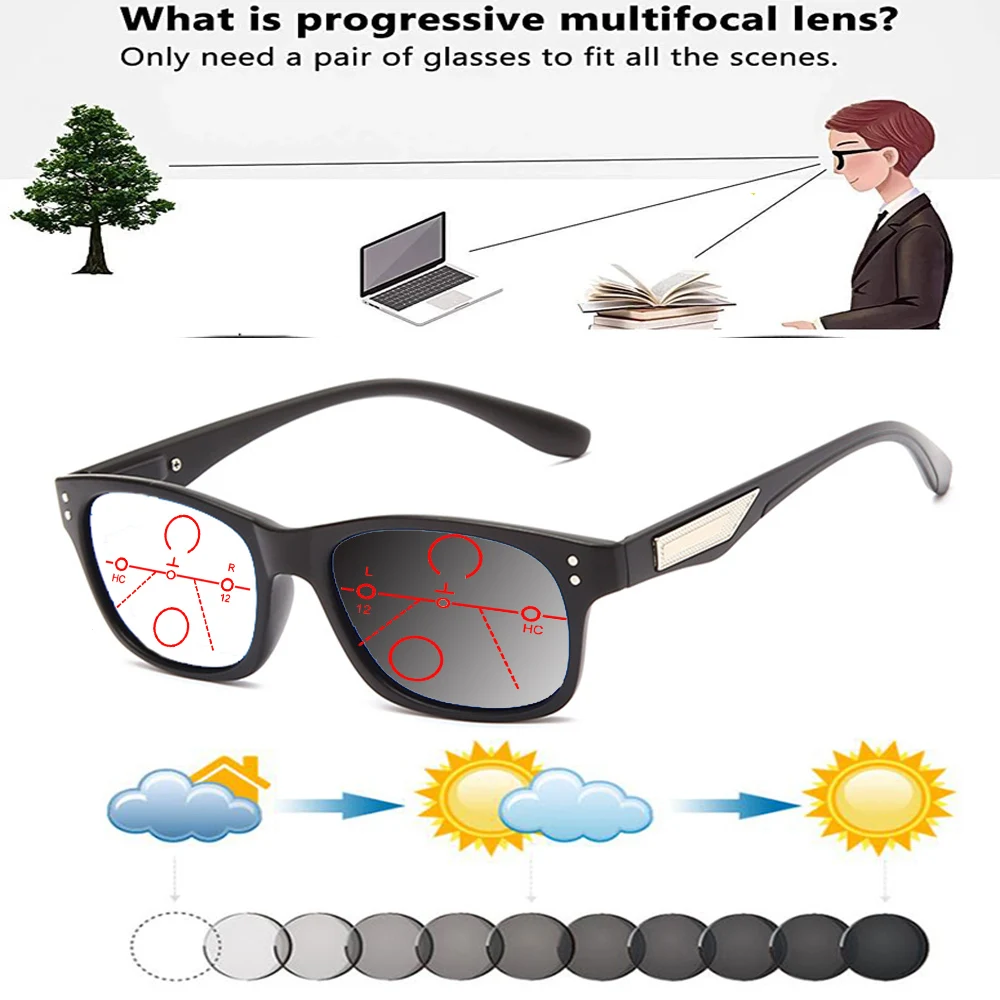
During my search for solutions, I also discovered the importance of having the right kind of glasses. I realized that I might need reading glasses, especially since I'm spending more time looking at screens. I started looking at different options and came across homepage. That led me to discover Mozaer's lightweight TR90 rectangle reading glasses. The site mentioned they have photochromic lenses that adjust to different light conditions. They also offer progressive multi-focal options, which I thought could be useful for both reading and looking at my computer screen.
I decided to try a pair. What I liked about them was how incredibly lightweight they were. I barely felt them on my face, which was a huge plus. The progressive lenses took a little getting used to, but I found them really helpful for switching between looking at my computer screen and reading documents. The photochromic feature was also great because it automatically adjusted the tint depending on the ambient light. I started using +1.5 and have found them to be very helpful.
I genuinely feel that these glasses, combined with the other changes I made, have significantly reduced my eye strain. The right prescription and lens type can make a world of difference. This experience led me to explore the importance of addressing photophobia with the right eyewear. I have a friend who suffers from migraines, and they've told me that filtering light makes a big difference when they have migraines. It doesn't prevent them, but it helps with the light sensitivity.
Based on my experience and research, here are some practical tips for reducing eye strain: